

『TSI Mass Flow Meter』Related information(v cone flow meter|rotary gas meter|gallon meter|gear meter|metal tube rotameter|glass tube rotameter|nutating disk meter|transit time ultrasonic flow meter|wedge flow meter|pd meters|hydraulic flow meter|ultrasonic water flow meter|water flow meter|air flow meter|magnetic water flow meter|oxygen flow meter|gas flow meter|argon flow meter|air velocity meter|gasoline flow meter|fuel flow meter|ultrasonic water meter|digital water meter|nitrogen flow meter|solid flow meter|Oxygen tank flow meter|digital water flow meter|diesel fuel flow meter|steam flow meter|02 flow meter|compressed air flow meter|oil flow meter|liquid flow meter)
1. What are the types of mass flow meters?
2. What is a gas mass flow meter? Gas mass flowmeter is an instrument for measuring gas flow rate, which can adapt to various gases such as corrosive gases. The principle is to measure the gas mass and convert it into volumetric flow rate. Widely used in industries such as petroleum, chemical, food, and beverage. Talking about the balance, it utilizes the energy loss caused by resistance when fluid passes through a flowmeter, accurately measuring without being affected by temperature, pressure, or corrosiveness. High precision, stability, long lifespan, supporting flexible measurement range, easy operation and maintenance. Common applications of gas mass flow meters: industrial process control, used to monitor and control various gas flow rates, such as air, hydrogen, nitrogen, natural gas, etc., applied in petrochemical, refining, chemical, power and other fields. The air compression system monitors and controls the compressed air flow, maintains system stability, saves energy, and ensures normal equipment operation. Environmental monitoring, measuring atmospheric gas flow rates such as oxygen, carbon dioxide, etc., used for atmospheric change, air quality assessment, and environmental pollution control. Laboratory research, contro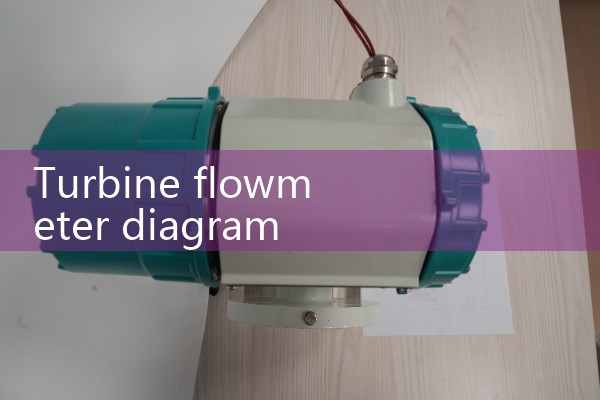
3. How to read a thermal gas mass flowmeter?
A thermal gas flow meter is an instrument that measures gas mass flow by utilizing the changes in heat absorbed or transferred by a heat exchanger when a fluid passes through it.. Its reading is usually based on mass flow units, such as kg/h, g/s, lb/h, m3/h, etc. The specific reading method can refer to the equipment manual or instruction manual. Generally speaking, users need to adjust the equipment according to parameters such as the diameter, flow range, and accuracy of the flowmeter before use, and monitor the output signal of the equipment in real time. The output signal of a thermal gas mass flowmeter is usually in the form of analog or digital signals, and can be processed, displayed, and recorded through specific software or instruments.
 Hot Product
 Related AD