

『Engine Flow Meter Diagnostics: Monitoring Real-Time Fuel and Oil Consumption Rates』Related information(v cone flow meter|rotary gas meter|gallon meter|gear meter|metal tube rotameter|glass tube rotameter|nutating disk meter|transit time ultrasonic flow meter|wedge flow meter|pd meters|hydraulic flow meter|ultrasonic water flow meter|water flow meter|air flow meter|magnetic water flow meter|oxygen flow meter|gas flow meter|argon flow meter|air velocity meter|gasoline flow meter|fuel flow meter|ultrasonic water meter|digital water meter|nitrogen flow meter|solid flow meter|Oxygen tank flow meter|digital water flow meter|diesel fuel flow meter|steam flow meter|02 flow meter|compressed air flow meter|oil flow meter|liquid flow meter)
Engine Flow Meter Diagnostics: Monitoring Real-Time Fuel and Oil Consumption Rates
Quick Answer: Engine flow meter diagnostics measure fuel supply flow and return flow in real time. The actual fuel consumption rate is supply flow minus return flow. Silver Instruments supplies oval gear and Coriolis flow meters with 4-20 mA HART output for diesel, heavy fuel oil, and lube oil systems.
What Engine Flow Meter Diagnostics Actually Measures
On a diesel engine, the high pressure pump sends more fuel to the injectors than the engine burns. Unused fuel comes back through a return line. A good diagnostic flow system measures both lines. The control system subtracts return flow from supply flow. This gives net fuel consumption in kg/h or litres per hour.
In practice, a single meter on the supply line overstates fuel burn. We saw this on a generator site in Indonesia. The supply meter read 42 litres per hour. The actual engine burn was 31 litres per hour after return flow was deducted.
Why Real-Time Data Matters More Than Daily Totals
Daily totals hide load transients. A dredger near Lagos may burn 180 litres per hour at full load and 65 litres per hour at idle. Real-time diagnostics show these changes immediately. Operators can detect blocked filters, injector wear, or fuel leaks before they become expensive failures.
For diesel generator testing, real-time fuel consumption rate is often required for load bank reports. A rental genset company in Saudi Arabia uses this data to invoice customers by actual fuel burn, not by run hours. So the payback on two flow meters is often shorter than one service interval.
Meter Types for Engine Fuel and Oil Diagnostics
Oval gear flow meters work well for clean diesel, biodiesel blends, and light lube oil. They handle viscosity up to 2000 cP and install easily in DN15 or DN25 lines. Accuracy of 0.5 percent of reading is common for this meter type.
Coriolis mass flow meters are better for heavy fuel oil, crude oil, or engines with high vibration. They measure mass flow directly in kg/h. Density and temperature changes do not affect the mass reading. A Coriolis meter can also measure oil density and temperature at the same time. This is helpful on marine engines burning IFO 380.
Do not use electromagnetic flow meters for fuel or oil because these liquids do not have enough conductivity. Avoid turbine flow meters when viscosity changes a lot during cold starts. Because fuel return lines carry hot fuel, choose high temperature seals such as Viton or PTFE.
Fuel Return Line Installation Rules
Install the return line meter at least 10 pipe diameters downstream from any elbow or valve. This keeps the flow profile stable. Diesel return lines often run at 60 to 90 degrees Celsius. Heavy fuel oil lines may reach 120 degrees Celsius. Use a meter with PTFE seals or high temperature O-rings above 100 degrees Celsius.
For engines with high vibration, use a Coriolis meter with a rigid manifold. Oval gear meters can suffer from bearing wear if mounted directly on a vibrating engine block. Use a flexible hose connection and a mounting bracket. Most engineers skip this part until a meter fails early.
Oil Consumption Monitoring for Diesel and Marine Engines
Engine oil consumption rate is not continuous on most engines. You may only need to measure oil top-up volume
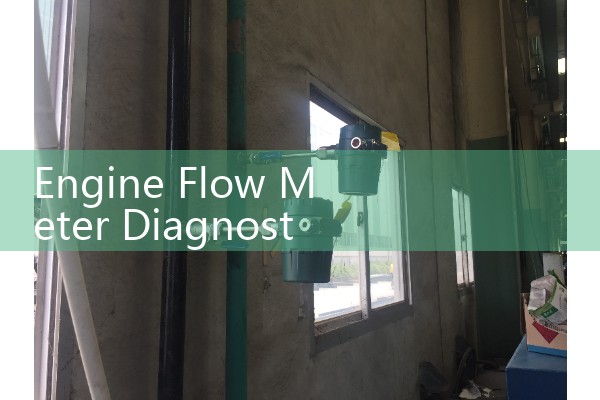
For large marine engines, lube oil flow to the turbocharger can be measured continuously. A thermal mass flow meter is not suitable for oil. A Coriolis or oval gear meter is the right choice. These measurements help detect bearing wear or oil pump degradation.
Field Cases from Vietnam and Chile
Last year a customer in Ho Chi Minh City needed fuel monitoring for three diesel boilers and two standby generators. They wanted real-time consumption data on a local touchscreen. We supplied five oval gear flow meters with pulse output and one paperless recorder. The meters measured supply only because the boilers had a simple single line with no fuel return. The customer reduced diesel inventory reconciliation errors by about 7 percent in the first quarter.
Another customer in Chile operates fishing vessels. They installed Coriolis flow meters on main engine fuel supply and return lines. The meters log net fuel burn into the vessel monitoring system. This gave them accurate fuel consumption per nautical mile. That data is now used for voyage planning and maintenance scheduling.
Recommended Silver Instruments Configuration
For diesel engines up to 1000 kW, a DN15 oval gear flow meter with 4-20 mA HART works in most cases. Select 316L body and Viton O-rings for diesel. For heavy fuel oil above 100 degrees Celsius, select a Coriolis mass flow meter in DN25 with 316L wetted parts and high temperature sensors.
For lube oil consumption monitoring on large compressors, use an oval gear meter with high viscosity range up to 3000 cP. Lube oil flow is often 0.5 to 60 litres per hour. A smaller DN10 or DN15 meter is needed. Pair it with a local batch controller if the engine uses oil in small doses.
FAQ
Question: Can I use one flow meter on the supply line only? Answer: No for engines with a return line. You must subtract return flow from supply flow to get actual fuel consumption. Single line measurement overstates burn rate.
Question: What output signal should I choose? Answer: 4-20 mA HART is the standard for engine diagnostics. Pulse output works for totalizing. Modbus RTU is available for systems that need digital data to a PLC.
Question: What pipe size do I need for a 500 kW diesel generator? Answer: DN15 or DN20 is typical for fuel supply lines. Confirm the flow range in litres per hour. Send us your engine fuel pump capacity and return flow rate for a precise sizing.
Question: Can these meters handle biodiesel? Answer: Yes if you choose Viton or PTFE seals. Biodiesel blends can swell standard seals. Tell us the blend ratio when you request a quote.
Question: Do I need special approval for marine engine rooms? Answer: Many Silver Instruments meters can be supplied with ATEX Zone 1 certification for fuel vapors. Tell us the hazardous area classification and gas group.
Request a Specific Quote
Send us your fuel type, viscosity in cP, pipe size in DN, flow range in litres per hour, supply and return line details, and required output signal. We will reply with a meter recommendation and price quote. Contact Silver Automation Instruments by Tel: +86-135-1213-1526, Whatsapp: 86-135-12131526, or WeChat: +86 13512131526.
 Hot Blog
 Related AD