

『Jet Fuel Flow Meter DN50 Hydrant Fueling Network Pipeline Layouts』Related information(v cone flow meter|rotary gas meter|gallon meter|gear meter|metal tube rotameter|glass tube rotameter|nutating disk meter|transit time ultrasonic flow meter|wedge flow meter|pd meters|hydraulic flow meter|ultrasonic water flow meter|water flow meter|air flow meter|magnetic water flow meter|oxygen flow meter|gas flow meter|argon flow meter|air velocity meter|gasoline flow meter|fuel flow meter|ultrasonic water meter|digital water meter|nitrogen flow meter|solid flow meter|Oxygen tank flow meter|digital water flow meter|diesel fuel flow meter|steam flow meter|02 flow meter|compressed air flow meter|oil flow meter|liquid flow meter)
Jet Fuel Flow Meter DN50 in Hydrant Fueling Network Pipeline Layouts
Quick Answer: A DN50 flow meter is the standard line size inside hydrant pit carts and fixed fueling cabinets at most international airports. For Jet A-1 custody transfer you will get the best repeatability and long-term drift performance from a Coriolis mass flow meter. Silver Automation Instruments supplies ATEX-certified DN50 Coriolis meters that fit into tight pipeline layouts and handle the real pressure and temperature swings found in hydrant networks.
We have seen hundreds of hydrant pit layouts across Southeast Asia, the Middle East, and Oceania. The same DN50 pipe size keeps reappearing, so we built our meter selection and installation support around that reality. A hydrant fueling network is not a simple straight pipe. You have underground loops, pit valves, carts with hoses, and a lot of elbows in a small footprint. Picking the right meter and planning the local pipeline layout around it directly decides whether you get a solid kg reading or a measurement drift that drives operators crazy during a turnaround.
Most jet fuel hydrant systems deliver Jet A-1 or JP-8 at pressures from 7 bar to 15 bar at the inlet. Temperature at the apron can hit 50 °C in the Middle East or drop near 0 °C on a winter night in inland Australia. A DN50 meter on a hydrant cart will see flow rates from 200 L/min to 1200 L/min during a typical wide-body refueling. In such conditions, a turbine meter works for simple volume indication, but turbine blades catch fines, wear over time, and need frequent recalibration when fuel viscosity shifts. That is why many engineering teams now replace turbine meters with straight-tube Coriolis meters on hydrant carts and under-pit skids.
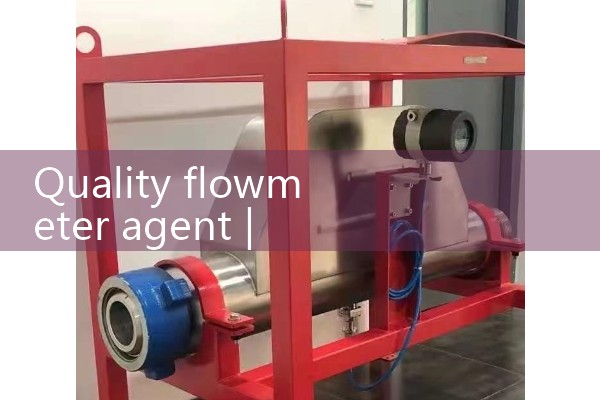
Here is the thing: a Coriolis meter for jet fuel gives you mass flow in kg/h, density in kg/m3, and temperature from one single device. You do not need external temperature compensation. You do not need a separate density correction factor for volume delivery. Our DN50 Coriolis model, which we call the CMF-DN50 series, holds accuracy within ±0.15% of rate across a wide flow range. It has an integrated PT100 sensor, outputs 4-20 mA HART and Modbus RTU, and comes with ATEX II 2G Ex ia IIC T6 certification. The wetted parts are 316L stainless steel, fully compatible with Jet A-1, Jet A, and JP-8. No soft seals that swell. No moving parts that clog in the hydrant pit.
Pipeline layout around a DN50 meter matters a lot. In a typical hydrant cart, the piping starts with a DN50 female coupling from the pit valve, then a manual ball valve, a strainer, a hose, and the flow meter. Many carts we see in the field place an air eliminator right before the meter because air slugs are common when carts are first connected. Without the eliminator, even a high-performance Coriolis will register density errors. We recommend a 100-mesh Y-strainer upstream, followed by a straight run of at least 10 pipe diameters before the meter and 5 diameters after. If your cart or under-pit cabinet cannot fit that straight run, we supply a flow conditioning plate that reduces the required straight length to 3D upstream and 2D downstream. That small change has saved a lot of space in tight hydrant cabinets at airports like Ngurah Rai in Bali and Clark in the Philippines.
We also get many questions about the underground header. The main pipeline loop under the apron is usually DN150 or DN200. From that loop, a DN80 or DN50 riser comes up into the hydrant pit. The owner often places the flow meter inside the pit on the riser or inside the mobile cart. A pit-mounted DN50 Coriolis meter works if the pit is big enough and drainage is good. For cramped pits, we help clients design a small skid plate that holds the strainer, the meter, the transmitter, and a local display that faces up through the pit lid. The display runs on loop power and shows instantaneous flow rate
Grounding and bonding are also part of the pipeline layout discussion. Jet fuel has low conductivity, so static buildup is a real safety concern. The CMF-DN50 includes integrated grounding rings and a bonding lug. When you layout your piping, you must bond both flanges across the gasket with a jumper wire. We document this in every installation drawing we send out. Ignore it and you can get erratic readings or, worse, a spark in a Zone 1 area. In one project in Vietnam, a local EPC contractor skipped the bonding jumper and the meter read 2% low until our site service tech spotted it during startup. After bonding, the accuracy jumped back to factory calibration within half an hour.
Calibration for jet fuel is another practical point. We calibrate every DN50 Coriolis meter on a real hydrocarbon fluid that matches Jet A-1 viscosity, not just water. A water calibration can shift by 0.3% to 0.5% when you switch to kerosene-grade fuel. We keep reference meters traceable to national standards, and we send you a calibration certificate with each unit. If you need a wet calibration with your own fuel type, we can arrange that through our partner lab in Singapore for Southeast Asian customers or in Dubai for Middle East projects.
Frequently Asked Questions
Can I use a turbine flow meter instead of a Coriolis for a DN50 hydrant cart?
Yes, but only for non-custody applications or where local regulations allow it. Turbine meters drift faster with dirt and wear, and they need a straightening vane. For billing or fuel reconciliation between the fuel farm and the airline, a Coriolis meter is the safer choice and reduces disputes that cost time.
What pipe size feeds the DN50 meter inside the hydrant pit?
Typically a DN80 or DN50 riser from the underground loop. We advise a DN80 riser with a reducer right before the meter inlet to help profile the flow. This gives a better velocity distribution and reduces pressure drop during peak flow demand.
Do I need a separate strainer or filter upstream of the DN50 flow meter?
Yes. Jet fuel from a hydrant network is clean, but scale, jointing compound, and pit debris can enter during maintenance. A 100-mesh strainer no more than 2 meters upstream is a standard practice we see at every successful installation.
How does Silver Instruments test the DN50 Coriolis meter for Jet A-1 before shipping?
We run a factory test with a hydrocarbon simulant, check zero stability, density accuracy, and mass flow linearity. We generate a test report you can review before we crate the meter. For repeat orders, we hold the calibration protocol to match your site conditions so every unit behaves the same.
What output should I specify to connect the meter to a refueling management system?
We recommend 4-20 mA HART with Modbus RTU as backup. It gives you real-time mass flow and density on the same pair of wires, and most aviation fuel management systems accept it without extra converters.
Send us your fuel type (Jet A-1 or JP-8), inlet pressure in bar, maximum temperature in °C, exact pipe size before the meter, and the minimum and maximum flow rate in litres per minute. Tell us if the meter goes on a cart or inside a fixed pit, and we will provide the right DN50 Coriolis model, a dimensional drawing that fits your pipeline layout, and a price for the quantity you need. Reach our application engineers at Silver Automation Instruments through our contact form or email. We ship to hydrant project sites in Southeast Asia, Oceania, the Middle East, Africa, and Latin America.
 Hot Blog
 Related AD