

『Jet Fuel Flow Meter 5 m3/h: Sizing for Auxiliary Engine Feed Systems』Related information(v cone flow meter|rotary gas meter|gallon meter|gear meter|metal tube rotameter|glass tube rotameter|nutating disk meter|transit time ultrasonic flow meter|wedge flow meter|pd meters|hydraulic flow meter|ultrasonic water flow meter|water flow meter|air flow meter|magnetic water flow meter|oxygen flow meter|gas flow meter|argon flow meter|air velocity meter|gasoline flow meter|fuel flow meter|ultrasonic water meter|digital water meter|nitrogen flow meter|solid flow meter|Oxygen tank flow meter|digital water flow meter|diesel fuel flow meter|steam flow meter|02 flow meter|compressed air flow meter|oil flow meter|liquid flow meter)
Jet Fuel Flow Meter 5 m3/h: Sizing for Auxiliary Engine Feed Systems
Quick Answer
For a jet fuel flow meter rated 5 m3/h in auxiliary engine feed systems, we recommend an oval gear positive displacement meter or a Coriolis mass flow meter. The oval gear meter handles Jet A-1 low viscosity (approx. 1.5 cSt at 20°C) and provides pulse or 4-20 mA HART output. Silver Automation Instruments supplies both types with ATEX Zone 1 certification, DN15 or DN20 connections, and built-in temperature compensation. Send us your exact flow range, pipe size, and fuel temperature. We will quote a meter that fits your genset skid.
Why Accurate Jet Fuel Measurement Matters for Auxiliary Engines
Auxiliary engines on vessels or in remote power plants burn jet fuel. You need to track consumption for fuel management, emissions compliance, and cost allocation. A flow meter rated 5 m3/h covers typical genset loads from 100 kWe to 500 kWe. Most engineers skip this part. A poorly sized meter causes pressure drop or inaccurate readings at low flow. We have seen a customer in Indonesia using a turbine meter that undercounted by 8% because flow turndown was too high. Jet fuel at auxiliary engine supply lines often flows at 0.5 to 5 m3/h. A meter with a turndown of 10:1 or 20:1 fits well. Oval gear meters from Silver Instruments handle that range easily.
Sizing Key Factors for a 5 m3/h Flow Meter on Jet Fuel
Viscosity is the first thing to check. Jet A-1 at 20°C is around 1.5 cSt. That is thin. Some flow meters lose accuracy with thin fuels. Positive displacement oval gear meters maintain accuracy because each gear pocket traps a fixed volume regardless of viscosity. We recommend DN15 (1/2 inch) or DN20 (3/4 inch) connections to keep velocity in the sweet spot. For 5 m3/h maximum flow, a DN15 meter sees about 7 m/s velocity. That is acceptable but check your pipe size. If your existing line is DN25, use reducers. The meter body material should be stainless steel 316 or aluminum with FKM or PTFE seals. Jet fuel compatibility is critical. We supply meters with FKM O-rings as standard for hydrocarbons.
Pressure rating is another factor. Auxiliary engine fuel feed pumps often run at 3 to 7 bar. Our oval gear meters come with flanged or threaded connections rated up to 40 bar. Temperature range: fuel enters the engine at 20°C to 40°C. A built-in PT100 sensor gives you temperature reading for mass flow compensation if using a volumetric meter. But here is the catch. Jet fuel viscosity is only 1.5 cSt, much thinner than diesel. A Coriolis meter measures mass flow directly and needs no density correction. That is a big advantage for fuel accounting where you buy fuel by weight. But the Coriolis costs more. For 5 m3/h of jet fuel, the mass flow is about 4,000 kg/h. Our Silver Instruments Coriolis meter with DN10 tube handles this with 0.1% accuracy.
Recommended Flow Meter Technologies for Auxiliary Engine Jet Fuel Feed
Oval gear flow meter: This is the workhorse for diesel and jet fuel. It provides frequency pulses proportional to volume. With a PT100 input to a flow computer or PLC, you can compute mass flow. This setup is common in marine auxiliary engine rooms. We delivered 12 oval gear meters to a shipyard in Vietnam for their generator sets. They needed ATEX Zone 1 because the fuel pump room is classified. Our meters had Ex db IIC T6 Gb certification and 4-20 mA HART output with local display. The total cost per point was under 1,200 USD ex wor
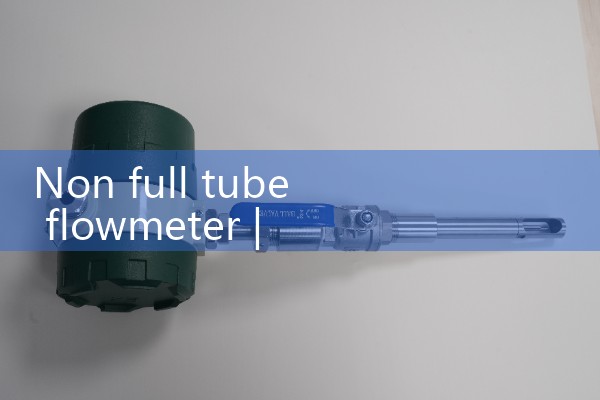
Coriolis mass flow meter: If your budget allows, a Coriolis meter gives direct mass flow, density, and temperature in one device. No moving parts, no drift from viscosity changes. For a 5 m3/h jet fuel flow, we suggest a Silver Instruments CMF series with DN10 or DN15 tube. It outputs 4-20 mA HART and Modbus RTU. Accuracy reaches plus minus 0.1% of rate. This is ideal for engines tied to a fuel management system. One power plant in Saudi Arabia uses our Coriolis meters on each auxiliary engine to monitor specific fuel consumption in g/kWh.
In practice, many maintenance teams prefer the oval gear because they can clean it without special tools. The Coriolis has a small U-shaped tube that requires flushing if jet fuel evaporates and leaves residue. But for low maintenance, we also offer an ultrasonic flow meter with clamp-on sensors. However, for 5 m3/h in small pipes, ultrasonic needs very careful installation. We can guide you on that.
Output Signals and Integration Details
All our jet fuel flow meters come with pulse, 4-20 mA, and optional HART. If you use a PLC or engine controller, the 4-20 mA represents flow rate. The pulse output connects to a totalizer or counter. We often combine the flow meter with a Silver Instruments paperless recorder to log fuel consumption and temperature. A typical configuration: oval gear meter with pulse plus 4-20 mA, PT100 built in, local flow totalizer display, Modbus RTU via RS485. That gives you flexibility for remote monitoring. A customer in Mexico uses this on a jet fuel pipeline for gas turbine start-up. They send data via Modbus to their DCS. Simple setup.
FAQ: Jet Fuel Flow Meter 5 m3/h Auxiliary Engine
What flow meter type gives the best accuracy for jet fuel at 5 m3/h?
For volumetric measurement, an oval gear meter achieves plus minus 0.5% of reading with jet fuel. For the highest accuracy, a Coriolis meter gives plus minus 0.1% mass flow. Both are available from Silver Instruments with ATEX certification.
Do I need ATEX certification for a flow meter on an auxiliary engine fuel line?
Usually yes. If the engine is installed in a Zone 1 or Zone 2 area, common on offshore platforms or tankers, the flow meter must have ATEX or IECEx certification. Our oval gear meters come with Ex certification for gas group IIC and temperature class T6.
Can I use a turbine flow meter for jet fuel instead?
Turbine meters work but suffer from viscosity sensitivity and moving parts. Jet fuel is thin, causing more bearing wear. We recommend oval gear or Coriolis for long-term reliability.
What is the typical price for a 5 m3/h jet fuel flow meter?
An oval gear meter with local display and 4-20 mA output starts around 850 USD. A Coriolis meter for the same flow starts at 3,200 USD. Contact us with your required accuracy and certifications for a firm quote.
How do I avoid measurement errors when flow drops below 0.5 m3/h?
Select a meter with a high turndown ratio, such as 20:1. Size it close to the minimum expected flow. Our DN15 oval gear meter maintains linearity down to 0.1 m3/h. We can help you review your flow profile.
To get a quote, email us your fuel type (Jet A-1, JP-8, etc.), operating pressure (bar), temperature (°C), pipe size (DN), and flow range (min and max m3/h). We will send you a datasheet and price within 24 hours. Visit our website at flow-meter.com.au to see the oval gear flow meter for jet fuel.
 Hot Blog
 Related AD